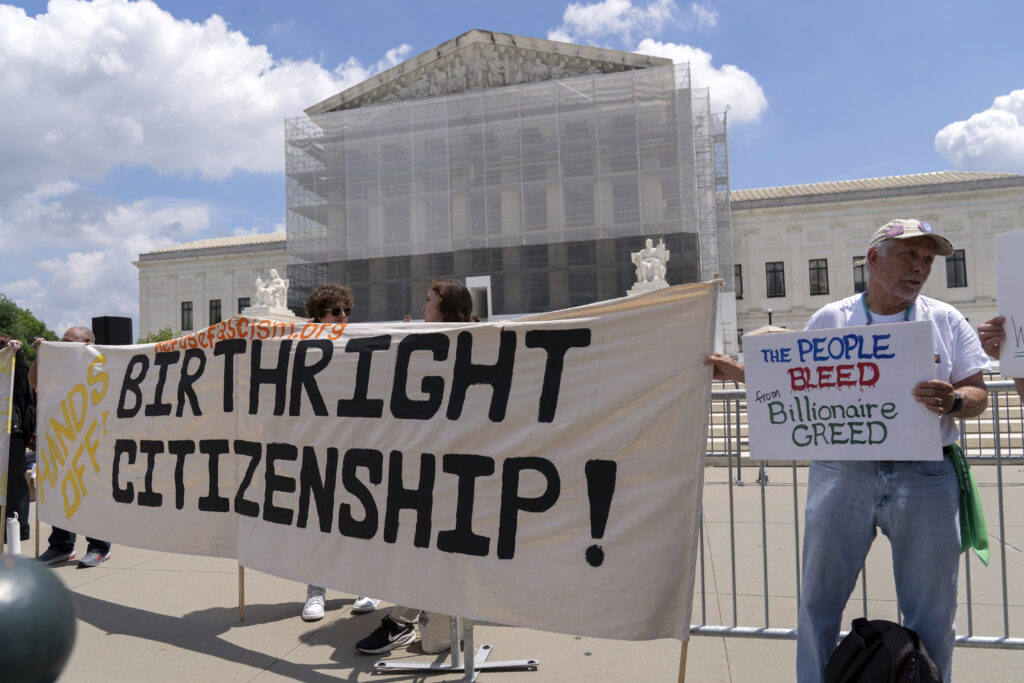
The idea of best courtroom docket birthright citizenship stands at the intersection of regulation, identity, and country wide insurance within the United States. Rooted within the Constitution, this doctrine has been reaffirmed, debated, and challenged in courts and public discourse. Today, understanding how the Supreme Court translates birthright citizenship is critical for all and sundry following immigration regulation, civil rights, or constitutional questions.
Historically tied to the Fourteenth Amendment, great court birthright citizenship has ensured that nearly everyone born in the U.S. routinely gains citizenship. Recent political debates have renewed recognition of this rule method for families, kids, and the kingdom’s jail framework.
This article breaks down the felony basis, landmark times, commonplace myths, and functionality future tendencies around fine courtroom birthright citizenship. It’s designed to be hard for readers without a prison background.
The Legal Foundation of Supreme Court Birthright Citizenship
Supreme court docket birthright citizenship evolved with the Fourteenth Amendment, ratified in 1868 after the Civil War. The change states that “every person born or naturalized in the United States, and difficulty to the jurisdiction thereof, are residents.” This language office work the backbone of birthright citizenship regulation.
The Supreme Court’s function has been to interpret what “difficulty to the jurisdiction thereof” surely means. In the landmark case of United States v. Wong Kim Ark, the Court ruled that the Citizenship Clause widely covers almost all people born on U.S. Soil, no matter their mother and father’s citizenship popularity. This desire cemented the prison foundation for best court birthright citizenship.
Today, demanding situations to this precept frequently hinge on constitutional interpretation, however the Supreme Court’s picks have thus far upheld an easy general: birthright citizenship is a constitutional assurance for maximum human beings born inside the United States.
United States v. Wong Kim Ark: The Defining Case
The 1898 Supreme Court selection in United States v. Wong Kim Ark is the most remarkable case within the records of ideal court docket birthright citizenship. Wong Kim Ark was born in San Francisco to Chinese parents who had been now not U.S. Residents. When he returned from a journey abroad, the authorities denied him reentry, claiming he was no longer a citizen.
The Supreme Court disagreed. It held that the Fourteenth Amendment’s Citizenship Clause granted citizenship to anyone born in the United States and challenged its jurisdiction. This ruling affirmed that perfect court docket birthright citizenship applies extensively, although mother and father are noncitizens.
This case stays substantial to prison debates nowadays. Challenges to birthright citizenship regularly revisit the reasoning in Wong Kim Ark, but next courts and most legal college students keep to view this choice as authoritative.
Common Misconceptions About Birthright Citizenship
Many public debates about spherical first rate courtroom birthright citizenship encompass misinformation. One not unusual fantasy is that birthright citizenship applies handiest to kids of criminal citizens. In truth, the Supreme Court has said the important factor is beginning inside U.S. Territory, not the immigration repute of parents.
Another false impression is that Congress can easily forestall birthright citizenship. While lawmakers can pass legal guidelines, the Constitution’s Fourteenth Amendment, as interpreted via the Supreme Court, is the controlling authority. Any attempt to trade birthright citizenship may in all likelihood face immediate constitutional challenges.
Finally, some claim that birthright citizenship encourages unlawful immigration. This political argument does not exchange the constitutional and judicial truth: ideally suited courtroom birthright citizenship is a firmly mounted prison precept that the fine court docket docket in the u . S . A . Protects.
How the Supreme Court Interprets “Subject to the Jurisdiction Thereof”
The phrase “scenario to the jurisdiction thereof” has been relevant to very first-class courtroom docket birthright citizenship debates. The Supreme Court has interpreted this to intend folks who owe permanent allegiance to the USA. Under this interpretation, nearly all and sundry born on U.S. Soil qualifies, with some slender exceptions.
Children of foreign places diplomats, who experience diplomatic immunity, are not taken into consideration as a real problem to the U.S. Jurisdiction and therefore not automatically residents at start. Similarly, individuals of antagonistic occupying forces fast inside the U.S. Fall out of doors this rule. But these exceptions are rare in exercise.
For the huge majority of human beings born in the United States, the Supreme Court’s interpretation technique automatic citizenship. Understanding this word lets in make clear why the prison preferred for remarkable court docket birthright citizenship is so extensive and enduring.
Recent Political Debates and Legal Challenges
In recent years, perfect court docket birthright citizenship has been at the center of heated political debates. Some politicians have proposed coverage adjustments or reinterpretations of the Constitution in efforts to limit birthright citizenship. These debates frequently discuss immigration insurance, border manipulation, and country wide identity.
Despite political pressures, the Supreme Court remains the very last arbiter of constitutional interpretation. Legal challenges aimed towards overturning or narrowing birthright citizenship would nearly in reality turn out to be earlier than the court docket. So a long way, the court docket’s historical precedent has no longer shifted drastically.
Understanding the debates is essential for honestly everybody monitoring immigration law or constitutional alternatives. Political rhetoric may additionally ebb and drift, however the constitutional reputation of outstanding court birthright citizenship is still rooted in longstanding jail interpretation.
The Impact of Supreme Court Birthright Citizenship on Individuals
The real‑international effects of the best court docket birthright citizenship are large. For people born in the United States, automated citizenship methods get right of entry to complete civil rights, the ability to journey with the U.S. Passport, and eligibility for government blessings and protections.
Families additionally feel the effect. Children born inside the U.S. Can stay residents even if their dad and mom are immigrants with uncertain crook repute. This balance affects education, employment, and prolonged‑time period making plans.
Beyond private consequences, birthright citizenship shapes demographic traits and cultural identity. It plays a function in how communities grow and how people recognize belonging in current-day America. The Supreme Court’s sustained help of this principle reinforces its significance.
How Supreme Court Birthright Citizenship Shapes National Policy
Supreme court docket birthright citizenship includes implications for countrywide insurance, mainly spherical immigration reform and border management. Policymakers should artwork inside the framework set by way of the Constitution and the Supreme Court’s interpretations.
Debates approximately visa rules, refugee applications, and enforcement strategies regularly reference birthright citizenship. Decisions about who can enter the United States of a and the manner prolonged they’re able to live are prompted with the aid of the use of the assurance that children born within the U.S. Will emerge as residents.
Lawmakers in search of change need to not forget felony limits. Any try and alter birthright citizenship via rules will likely face constitutional annoying situations. This dynamic continues the Supreme Court critical to discussions about countrywide coverage and citizenship regulation.
The Role of Public Opinion in Birthright Citizenship Debates
While preferred court docket birthright citizenship is essentially a prison keep in mind, public opinion performs an influential characteristic in shaping coverage discussions. Polls display that Americans maintain several views on birthright citizenship, with positions frequently tied to broader perspectives on immigration and countrywide identity.
Public sentiment will have an effect on how lawmakers prioritize troubles and advocate reforms. When huge portions of the populace specific situation or resource for birthright citizenship, it is able to impact legislative agendas and political structures.
However, public opinion does no longer alternate constitutional interpretation. The Supreme Court’s role is to uphold the Constitution based totally on criminal thoughts, not public pressure. This separation guarantees that nice courtroom docket birthright citizenship remains grounded in law even amid shifting public debates.
What Would It Take to Change Birthright Citizenship?
Any try to modify ideal court docket birthright citizenship might require both a constitutional change or a new Supreme Court interpretation. Constitutional amendments are uncommon and tough, requiring broad assistance from states and Congress. That makes this course hard.
Alternatively, a destiny Supreme Court should reinterpret the Fourteenth Amendment’s text. But given the load of precedent, this sort of shift can be top notch. Courts usually appreciate lengthy‑reputation interpretations except there’s a compelling criminal reason to trade them.
For now, birthright citizenship as understood via the Supreme Court stays an extended lasting function of American law. Anyone interested by immigration policy needs to recognize that primary trade couldn’t be easy or speedy.
How Birthright Citizenship Affects Immigration Policy
Supreme court birthright citizenship intersects with broader immigration insurance in sensible procedures. Immigration authorities manipulate visas, deportations, and prison status determinations based on hints that exist along birthright citizenship. Yet, birthright citizenship stands as a separate assurance that influences kids born inside the U.S.
Because youngsters acquire citizenship with the resource of beginning, debates about family reunification, criminal recognition, and residency grow to be extra complicated. Lawmakers should keep in mind how changes in immigration enforcement ought to affect citizen children and their families.
These complexities display why discussions about immigration policy almost always contain birthright citizenship, even if the underlying prison precept comes from the Supreme Court’s interpretation of the Constitution.
Looking Ahead: The Future of Supreme Court Birthright Citizenship
The future of satisfactory court birthright citizenship depends on criminal interpretations, political dynamics, and constitutional debates. Although historically stable, this doctrine ought to face renewed disturbing conditions as immigration remains a precious problem in American politics.
Legal students will maintain to research how the Supreme Court could likely respond to destiny instances. Advocates on all aspects of the controversy are watching inclinations in jurisprudence and public coverage. Still, the grounding in the Fourteenth Amendment makes birthright citizenship deeply rooted in constitutional law.
For now, the Supreme Court’s interpretation of birthright citizenship stands as a clean and influential precept in American jail and social lifestyles.
FAQ: Supreme Court Birthright Citizenship
What is Supreme Court birthright citizenship?
Supreme court docket birthright citizenship refers to the criminal precept that people born in the United States mechanically come to be U.S. Citizens, as affirmed by using the Supreme Court’s interpretation of the Fourteenth Amendment.
Does birthright citizenship look at all youngsters born inside the U.S.?
In nearly all instances, sure. The Supreme Court has ruled that nearly all of us born on U.S. Soil are citizens, with restrained exceptions like children of overseas diplomats.
Can Congress change birthright citizenship?
Congress cannot unilaterally override the Constitution. Any alternative should require a constitutional change or a cutting-edge Supreme Court interpretation.
Why is the case United States v. Wong Kim Ark vital?
This Supreme Court preference set up that birthright citizenship applies extensively and remains the foundational case for first-rate court docket birthright citizenship.
How does birthright citizenship affect immigration policy?
While growing to be unbiased from immigration popularity, ideally suited court docket docket birthright citizenship impacts debates on circle of relatives policy, enforcement, and countrywide identity, shaping how lawmakers approach reform.